
Search Utah Bench Warrants
Utah bench warrants come from courts across the state. A judge issues one when a person misses a court date or breaks a court order. The Bureau of Criminal Identification offers a free online tool that covers all 29 Utah counties. You can also look up bench warrant case records through the Utah Courts XChange system for district and justice courts statewide. This page explains how to search for bench warrants in Utah, what they mean, and what to do if one exists. Options include online tools, phone calls, and visits to county offices throughout Utah.
Utah Bench Warrants Quick Facts
Utah Statewide Bench Warrants Search
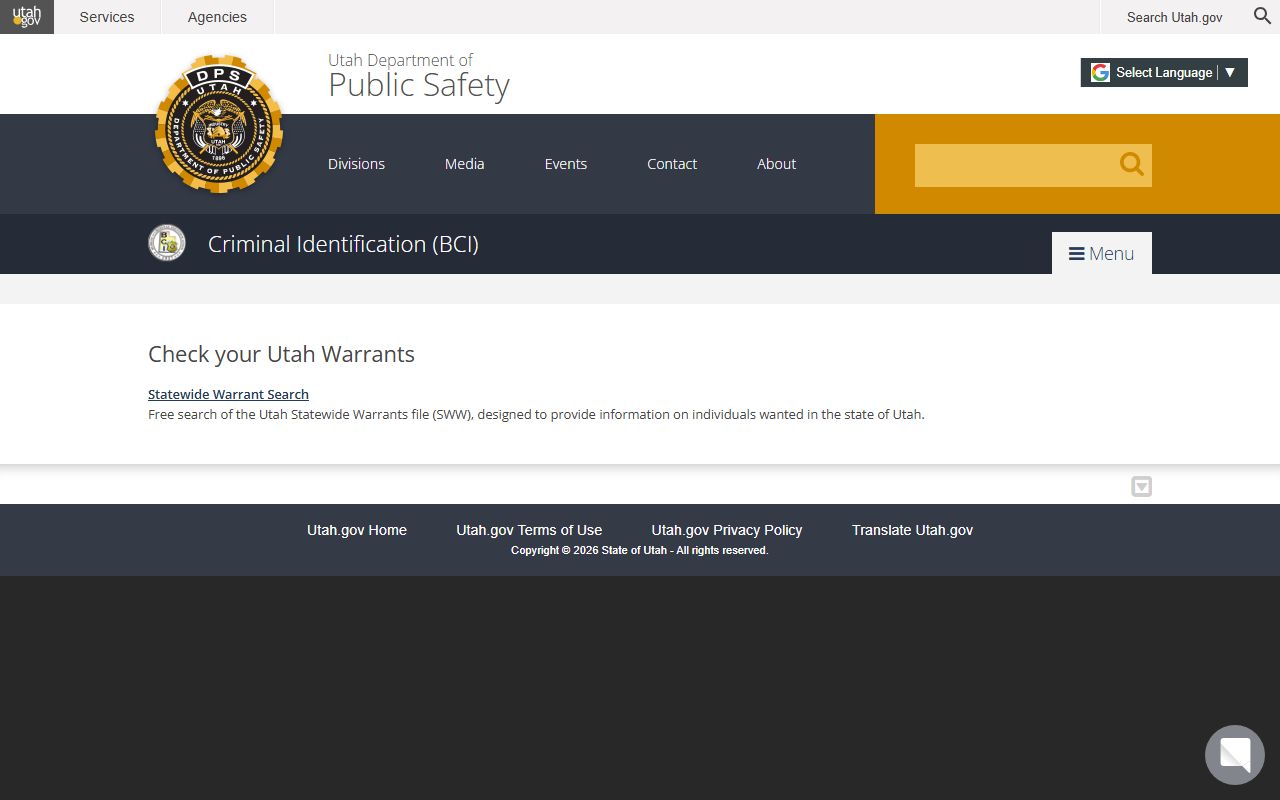
The fastest way to check for bench warrants in Utah is through the Bureau of Criminal Identification. BCI runs the Utah Statewide Warrants file. It is free. Courts across Utah send warrant data to the Utah Criminal Justice Information System through electronic transfer. That data comes straight from court activity. You need a first and last name. Results show age, offense, case number, city, and the issuing Utah court. Call 801-965-4445 for help with the Utah BCI bench warrants search tool.
The BCI Statewide Warrants Search is the main portal for checking active bench warrants in Utah.
Search results update as courts enter new bench warrant data into the system. Accuracy depends on timely entry and removal of records by each court in Utah.
The Utah Courts XChange system is another way to find bench warrant records. XChange holds case data from district courts and justice courts across Utah. It shows party names, case status, hearing dates, documents filed, and judges assigned. A subscription costs $30 per month or $240 per year. Free public terminals are available at most district courthouses and at the Utah State Law Library in Salt Lake City.
XChange at utcourts.gov gives access to court case details for bench warrants in Utah.
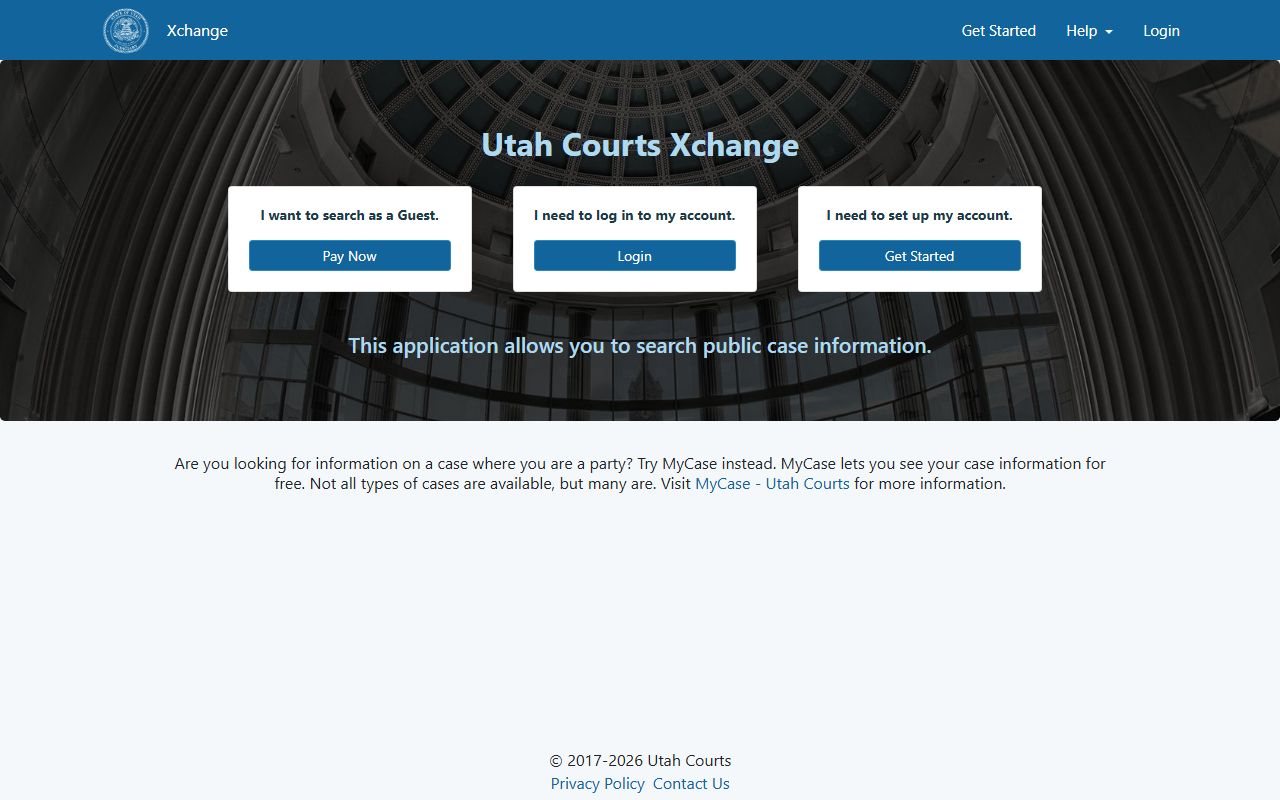
You can search by party name, case number, or filing date on XChange.
How Bench Warrants Work in Utah
A bench warrant is a court order. It directs law enforcement to arrest a specific person. Judges issue bench warrants in Utah when someone fails to appear for a scheduled court date or violates conditions set by the court. Under Utah Code § 77-7-5, a peace officer may execute an arrest warrant at any time of day or night. Any officer who knows about an active warrant can make the arrest under Utah Code § 77-7-11 even without having the physical document in hand.
Utah Code Title 77, Chapter 7 outlines the full rules for arrests and bench warrants in the state.
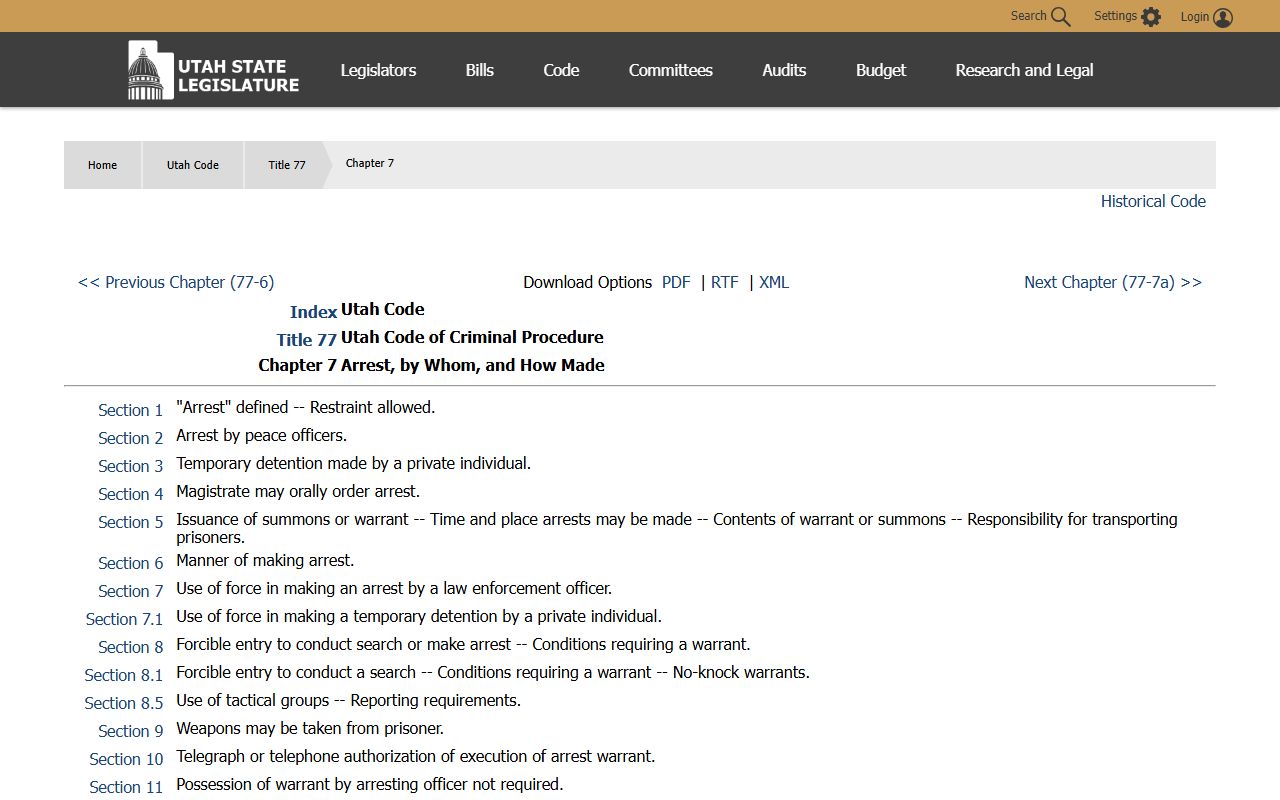
These statutes govern every bench warrant issued by Utah courts.
Utah has different kinds of bench warrants. Some are bondable. A bail bond company can post the bond for about 10 percent of the bail amount. Cash only warrants require the full bail paid in cash or by card. That cash gets refunded when the case is resolved. A sign and release warrant lets an officer detain a person briefly and hand them a form with the next court date. The person does not go to jail on a sign and release. Utah reformed its warrant laws so that people charged with low-level offenses get multiple chances to appear before a judge orders an arrest.
The Utah State Courts website provides details on court procedures, calendars, and bench warrant records access.
Use that site to look up court dates, find forms, and learn about the warrant process in Utah.
Note: A bench warrant in Utah stays active until a judge recalls it or law enforcement serves it.
Utah Courts That Issue Bench Warrants
Two types of Utah courts issue bench warrants. Utah justice courts handle most Class B and C misdemeanors, infractions, and traffic cases. Since 2009, all small claims go through justice courts too. Utah district courts have broader reach. They take felony cases, Class A misdemeanors, and civil matters. Both court types in Utah issue bench warrants when someone fails to appear or violates a court order.
The Utah Department of Public Safety oversees the BCI and helps coordinate warrant data across agencies.

DPS supports the statewide bench warrants database and works with local law enforcement in all 29 Utah counties.
Utah now runs bench warrants on modern technology. Patrol cars have computers with internet access. Utah officers log into the Criminal Justice Information System to check for active warrants. They can also submit new requests online. The state uses a rotation for judges. About 7 to 8 Utah judges are on call at all times. Officers sign in with a digital mark. A judge can approve a Utah bench warrant from any spot in the state. Utah's legislature updated rules to allow this process.
Recent reforms changed how Utah courts handle bench warrants for low-level offenses.
Check for Utah Bench Warrants
There are several ways to check for bench warrants in Utah. BCI is the fastest. Just type a first and last name. You can also call a Utah sheriff. Every county sheriff keeps warrant records. Most Utah offices are open Monday through Friday, 8:00 AM to 5:00 PM. Walk in with an ID. Ask about bench warrants at the front desk.
When you search for bench warrants in Utah, it helps to have:
- Full legal name of the person
- Date of birth if known
- Case number from the court
- County where the case was filed
The Utah Department of Corrections Offender Search lets you look up people in the state corrections system by name or offender number.
This tool shows records for individuals under correctional supervision in Utah who may also have active bench warrants.
Utah courthouses have public terminals. These are free. Walk in and search for bench warrant data through CORIS. No cost at all. The Utah Commission on Criminal and Juvenile Justice tracks Utah warrant stats and works on system improvements for bench warrants statewide.
Note: The BCI system depends on courts entering bench warrant data on time, so there may be a brief gap between when a warrant is issued and when it appears in search results.
Utah Bench Warrants and Public Records
Bench warrants in Utah are public records. Under the Government Records Access and Management Act, Utah Code § 63G-2, arrest warrants become public after issuance. A court may limit access before the warrant is served, but once issued, the data is generally open. You do not need to be part of the case. Anyone can search for active bench warrants through the BCI portal or court records in Utah.
The Utah State Archives GRAMA forms page has the standard request forms for accessing government records including bench warrant records.
GRAMA requests must be answered within 10 business days. The first 15 minutes of staff research time is free. After that, fees range from $18 to $35 per hour depending on the agency. Black and white copies cost $0.25 per page. Fee waivers are available when releasing the records primarily benefits the public. News media requests are presumed to benefit the public under the law.
The full text of GRAMA is at Utah Code Title 63G, Chapter 2 on the Utah legislature website.
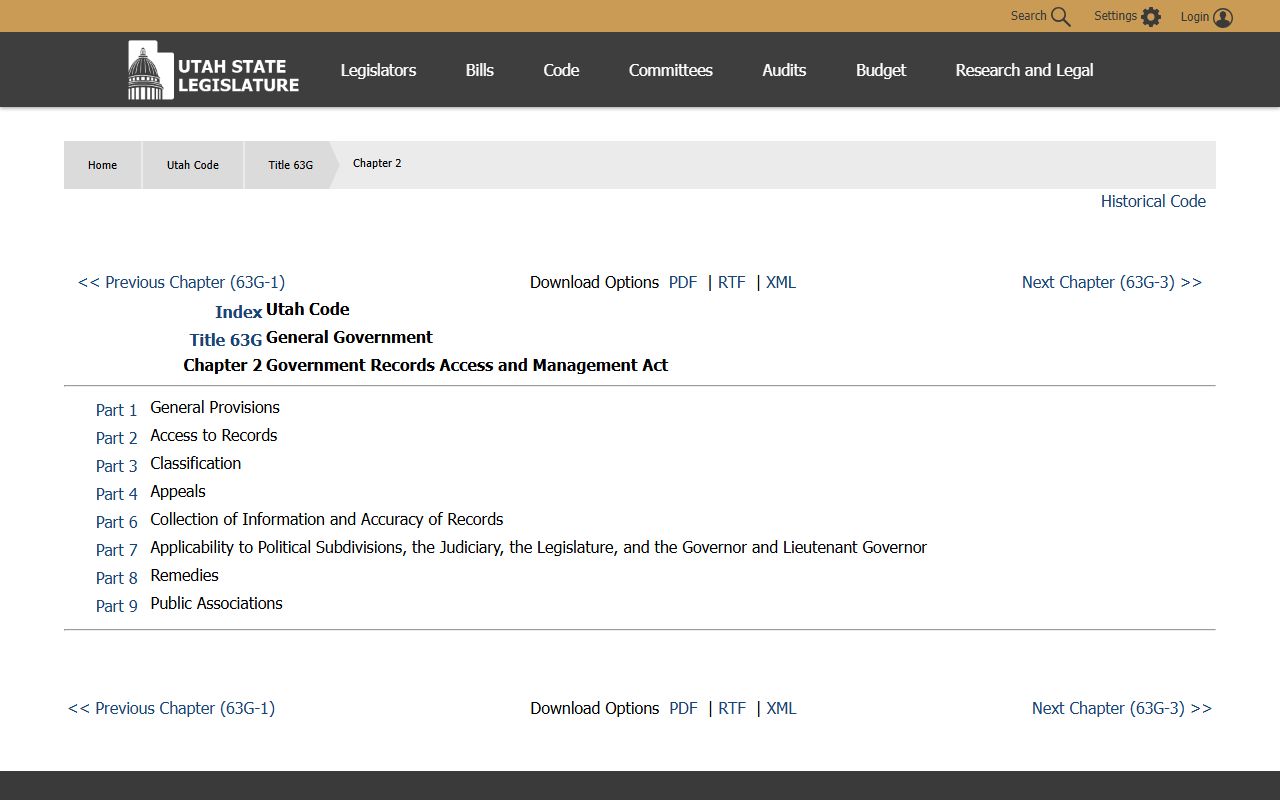
This law balances the public right to access government records with privacy protections for individuals in Utah.
Resolve a Bench Warrant in Utah
A bench warrant does not expire. It stays active in Utah until a judge recalls it or an officer serves it. Contact the court that issued the Utah bench warrant first. Many Utah courts let you schedule a new hearing to address a missed date. An attorney can help. Legal aid groups in Utah offer free guidance on bench warrants for those who qualify.
Visit the Utah Department of Corrections website for records on people under state supervision in Utah.
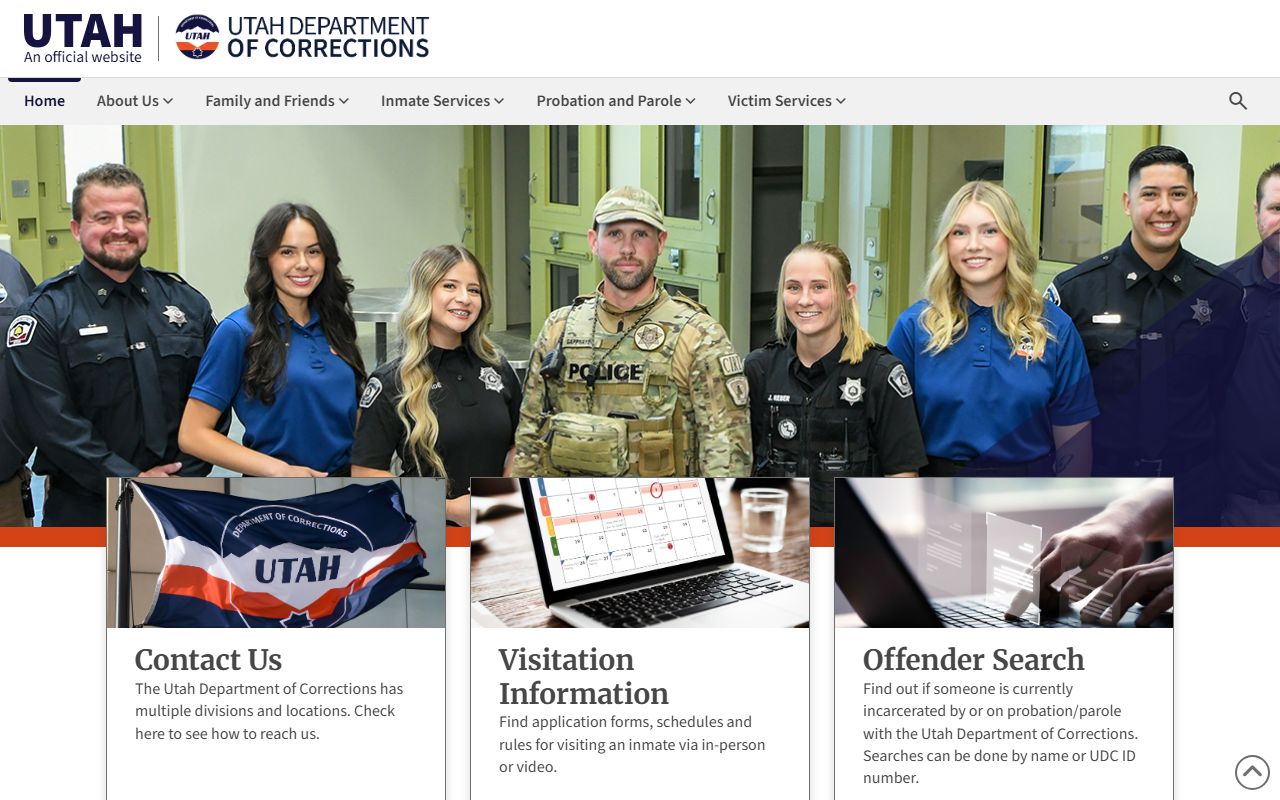
People arrested on bench warrants in Utah may be booked at a county jail or a state facility.
If you plan to turn yourself in on a bench warrant, bring a valid ID. Go to the sheriff's office or court during business hours. Some bench warrants in Utah require cash bail before release. Others let a bond company post on your behalf at a fraction of the total. Calling ahead helps you understand what to expect.
- Bring government-issued photo ID
- Know your case number or warrant details
- Have cash or payment ready for bail
- Contact an attorney before turning yourself in
- Call the court clerk for details on your case
Note: Ignoring a bench warrant in Utah can lead to arrest at any time, including during traffic stops or other routine encounters with law enforcement officers.
Browse Utah Bench Warrants by County
Each of Utah's 29 counties has a sheriff's office that handles bench warrants. Pick a county below to find local warrant search resources, contact info, and court details.
Bench Warrants in Utah Cities
Residents of Utah cities can search for bench warrants through their local police department or county sheriff. Select a city below to find warrant search resources for that area.